The memory of the holy martyr Theodosia
The city of Tyre is located on the north-eastern shores of the Dead Sea on the south-western slope of the Gilead mountain range. Eusebius, bishop of Caesarea (lived from 268 to 340), <unk> a famous church historian who laid the foundation for church history; distinguished himself by great learning.
His works include: 1) <unk>Church History<unk>, dated from apostolic times to 324; divided into 10 books; 2) <unk>Life of Constantine<unk>; consists of 4 books and is a direct continuation of <unk>Church History<unk>, 3) <unk>Chronography<unk>.
In addition, Eusebius is the author of many small works of apologetic, polemical, and exegetical character] and bishop of Caesarea Palestiniana [Caesarea Palestiniana was on the eastern shore of the Mediterranean Sea].
In ancient times, Caesarea was the seat of the Roman prosecutors and the center of the country's social and political life. In the history of the Christian Church, Caesarea Palestine is remarkable in that it was here that the Apostle Peter, who baptized the centurion Cornelius, first opened the way for Gentiles to enter the Church of Christ (Acts 10), and it was here that the last trial of the Apostle Paul took place, after which he was sent to Rome (Acts 26-27).
- There was another Caesarea in Palestine, unlike the real one, called Philip's.
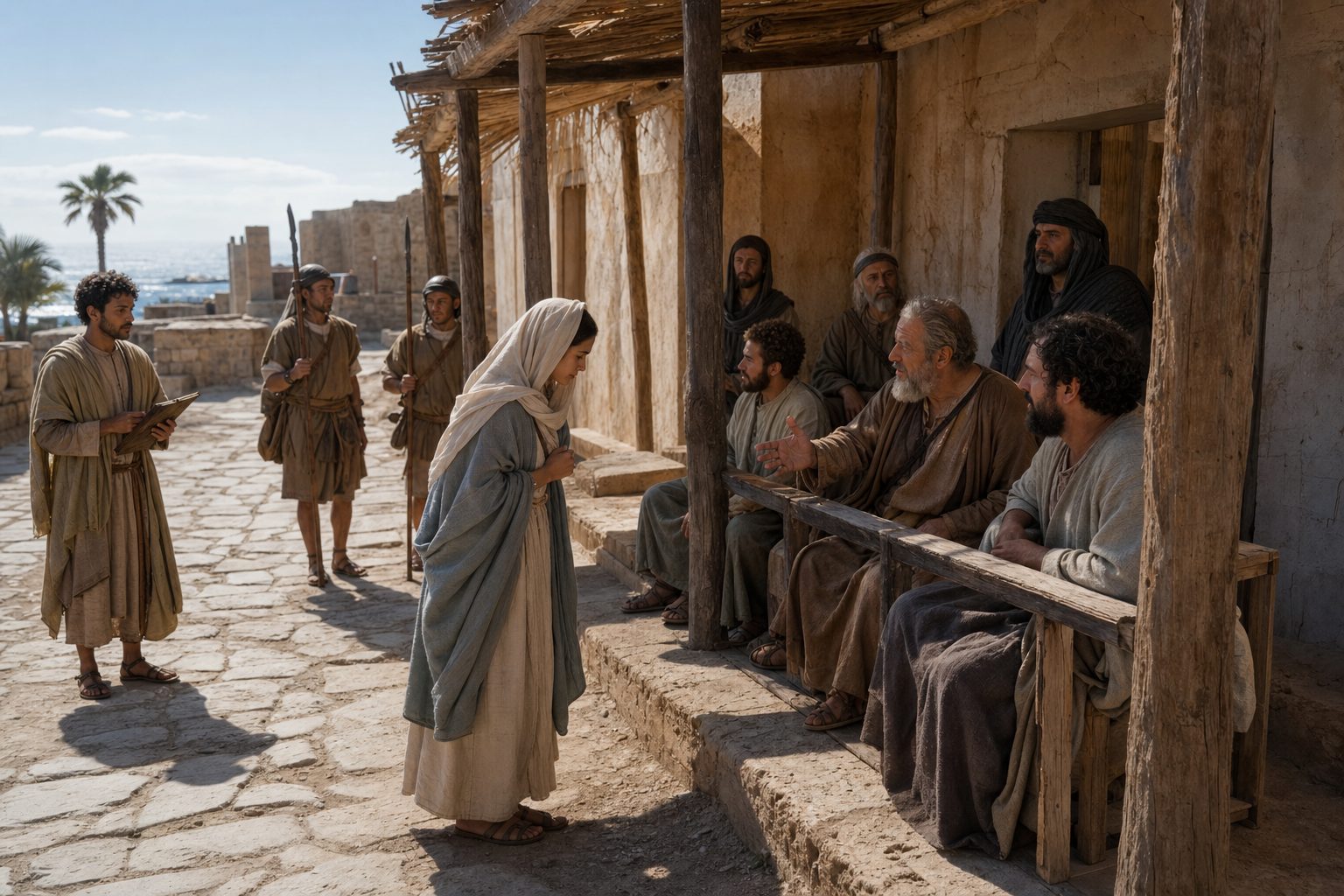
It was at the sources of the Jordan.], an eyewitness reports: "While in our country the persecution of Christians by wicked idolaters had been going on for five years, on the seventeenth day of the month of April, the very day of the feast of the Resurrection of Christ, a pious and God-fearing maiden of our city", says Eusebius, "a native of Tyre, not yet eighteen years old, came to the Christian prisoners,
When he came to them, he urged them, "Please remember me in the Lord, for I have endured many hardships".
The soldiers, however, seeing the maiden bowing to the Christian prisoners, seized her and, as if she had done some evil deed, dragged her to the ignominious Urvan for questioning. The ignominious, infuriated, ordered her to be tormented with fierce torments. Her ribs and nipples were tortured with iron nails, so that the flesh came down from her to the bones; then the martyr, still alive with a joyful face enduring the torment, the ignominious ordered to be drowned in the sea".
Eusebius, who was an eye-witness, says: "The holy martyr Theodosius, after she was drowned in the sea, was taken alive by the angels from the water to the land, and she walked with a stone tied around her neck in her hands.
At last the tormentor ordered her to be cut with a sword, and during the incision the saint saw a dove fly out of her mouth, shining like gold and rising to the heavens.
When the night came, the holy martyr appeared to her parents with many other holy virgins, clothed in a holy garment whiter than snow, with a golden cross in her hand and a crown on her head, and said to her parents, "Behold, how great is the glory and grace of my Christ!
These words the saint said because her parents, seeing in her the desire to suffer for Christ, prevented her in every way; but she secretly hastened from them to the prisoners of Christ, and, as we have said, was taken to torment and crowned by the Forerunner of her Lord Jesus Christ, our God.